DLR Design Challenge: ADAPT
2026
What did DLR actually ask us to do?
The DLR Design Challenge is an annual student aircraft design competition organized by the German Aerospace Center (DLR) and built around a current problem in aviation. In 2026, the task was to develop a realistic experimental aircraft that could test technologies intended for future commercial aircraft under actual flight conditions.
That last part matters. Simulations and ground rigs can answer a lot of questions, but they cannot fully reproduce the accelerations, aerodynamic loads and reduced-gravity conditions of flight. Especially with liquid hydrogen, effects such as sloshing and boil-off can directly influence fuel supply and propulsion performance.
So the challenge was not really to design another hydrogen aircraft. It was to design a platform that could help move technologies from promising ground experiments toward actual aircraft integration.
Our answer was one aircraft with multiple configurations.
For ADAPT, we focused on liquid-hydrogen tank behavior and asked how the same tank could be studied under different aircraft-level conditions.
Instead of designing a separate demonstrator for every experiment, the concept keeps the fuselage, hydrogen tank, instrumentation and core electrical architecture largely unchanged while other parts can be swapped around them.
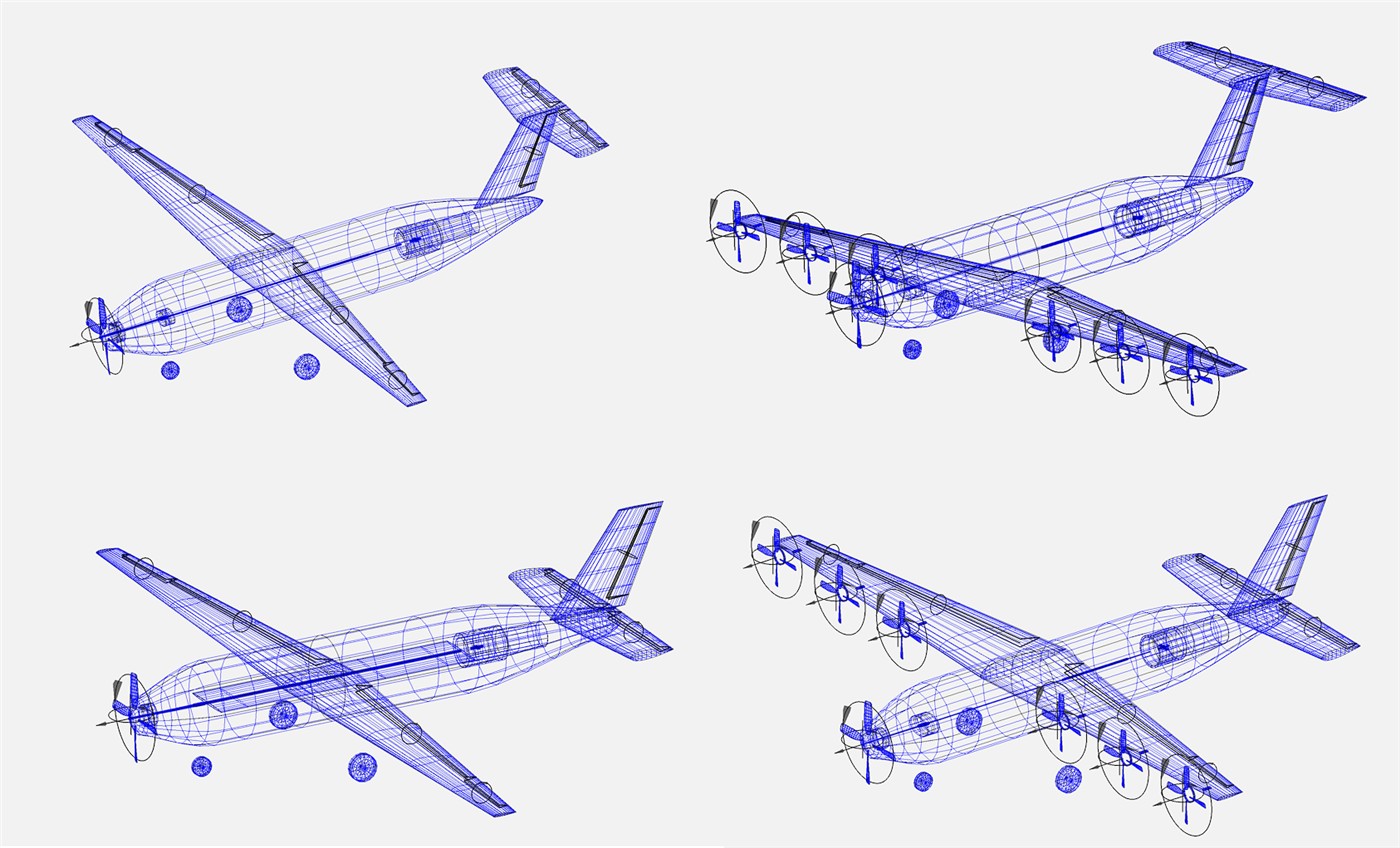
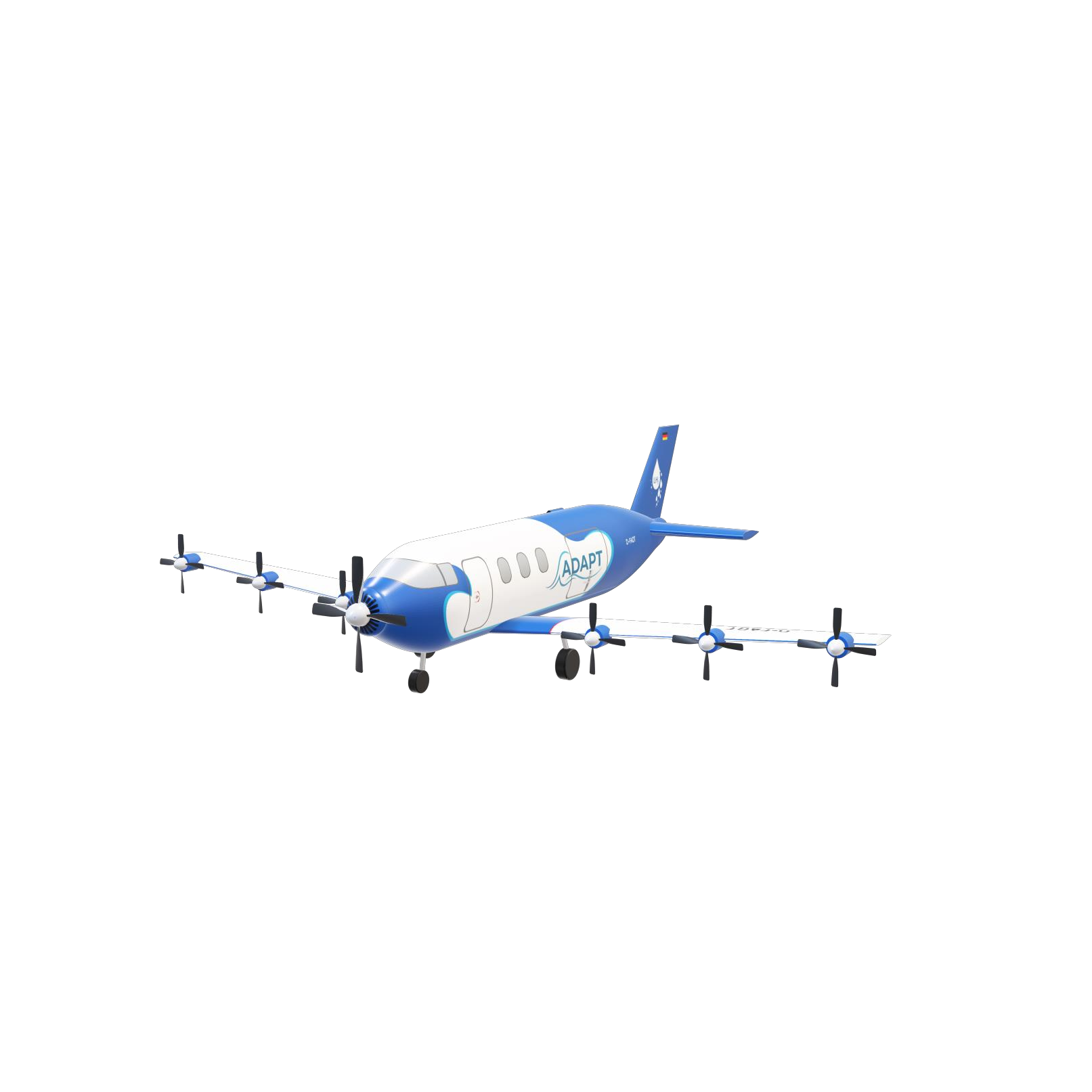
Two different systems can generate electrical power from hydrogen: a PEM fuel cell or a hydrogen-fueled turbine generator. The same idea applies to the wings, with a high aspect ratio and a distributed electric propulsion configuration.
Before we had one aircraft, we had 24.
We started by combining two fuselage concepts, two stabilizer layouts, three wing positions and two wing technologies, giving us 24 possible aircraft configurations.
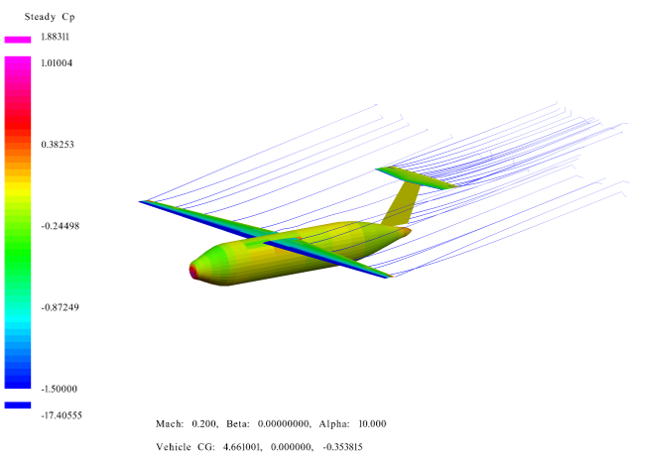
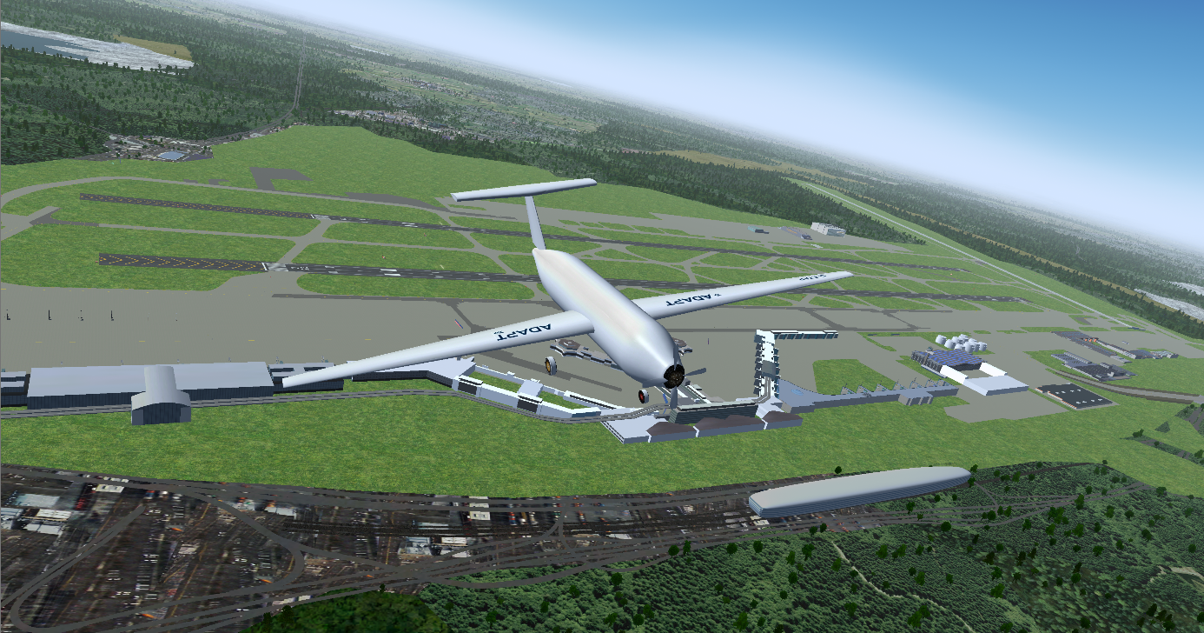
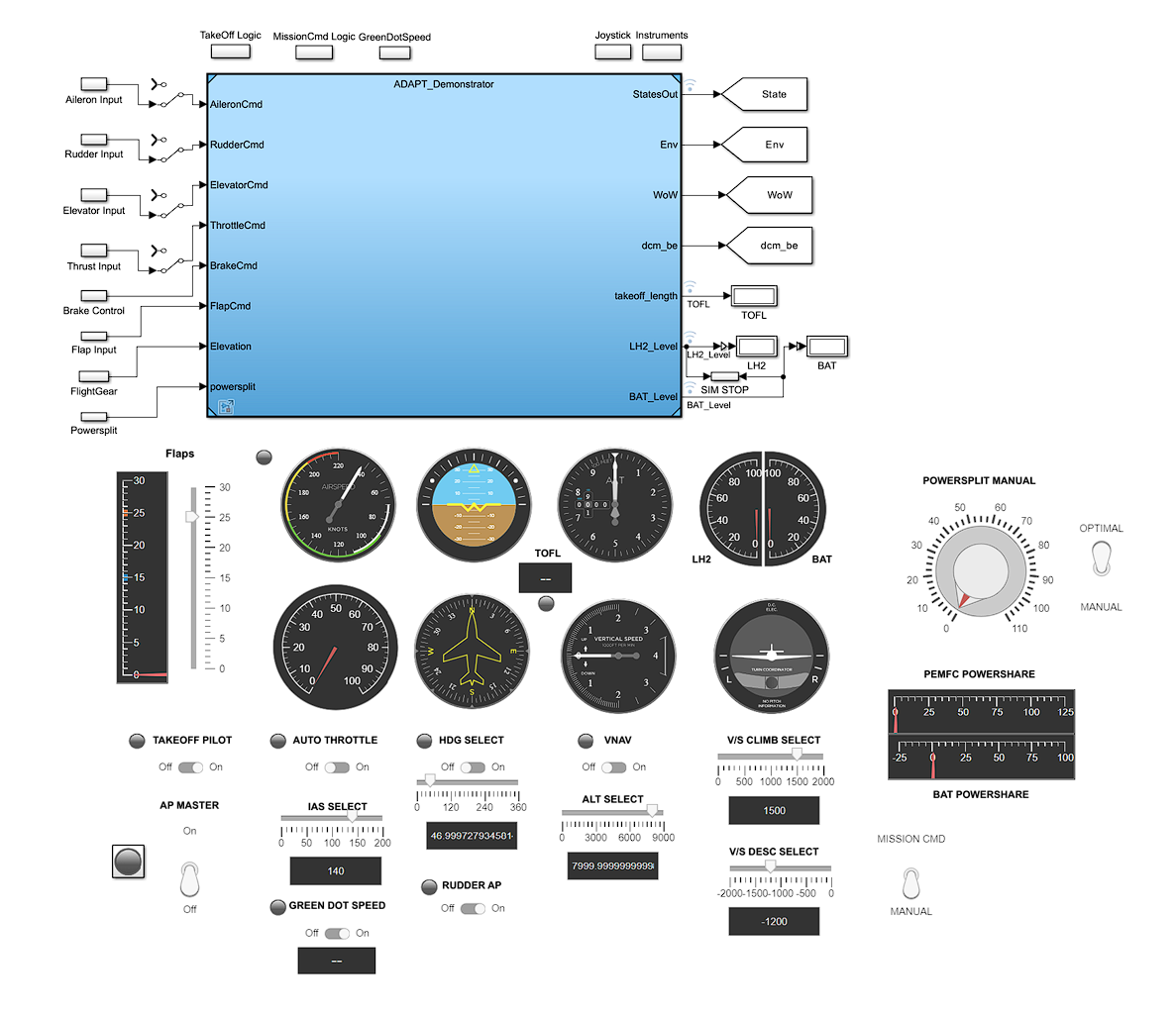
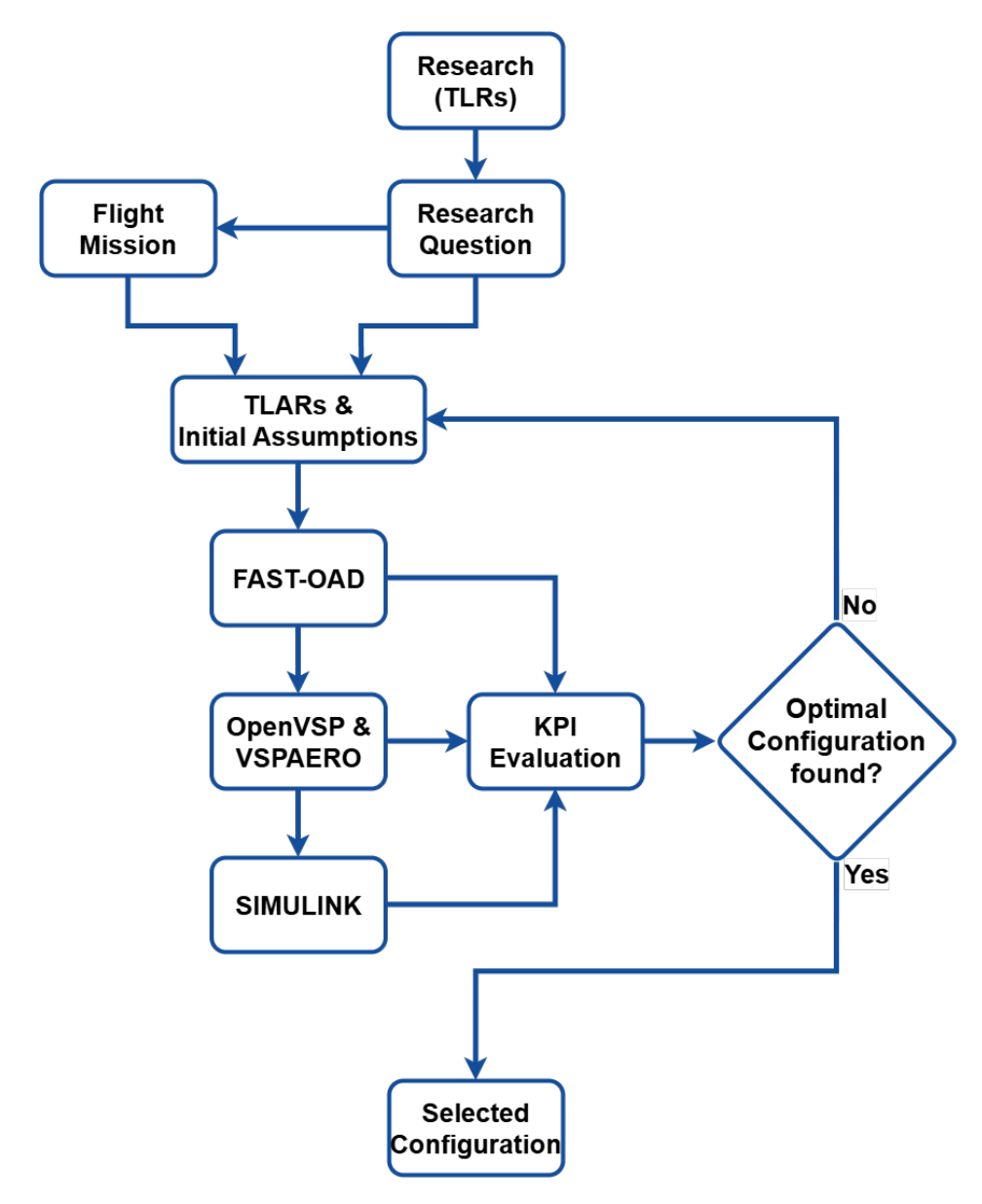
Rather than just picking one, we built an iterative workflow around FAST-OAD, OpenVSP, VSPAERO and MATLAB/Simulink. Each configuration was evaluated across geometry, mass, aerodynamics, flight dynamics, energy use and operational constraints.
Those results fed into 17 weighted key performance indicators. Over several iterations, the 24 concepts converged into two final configurations sharing the same fuselage, low-wing position and conventional tail, but using different interchangeable outer wings.
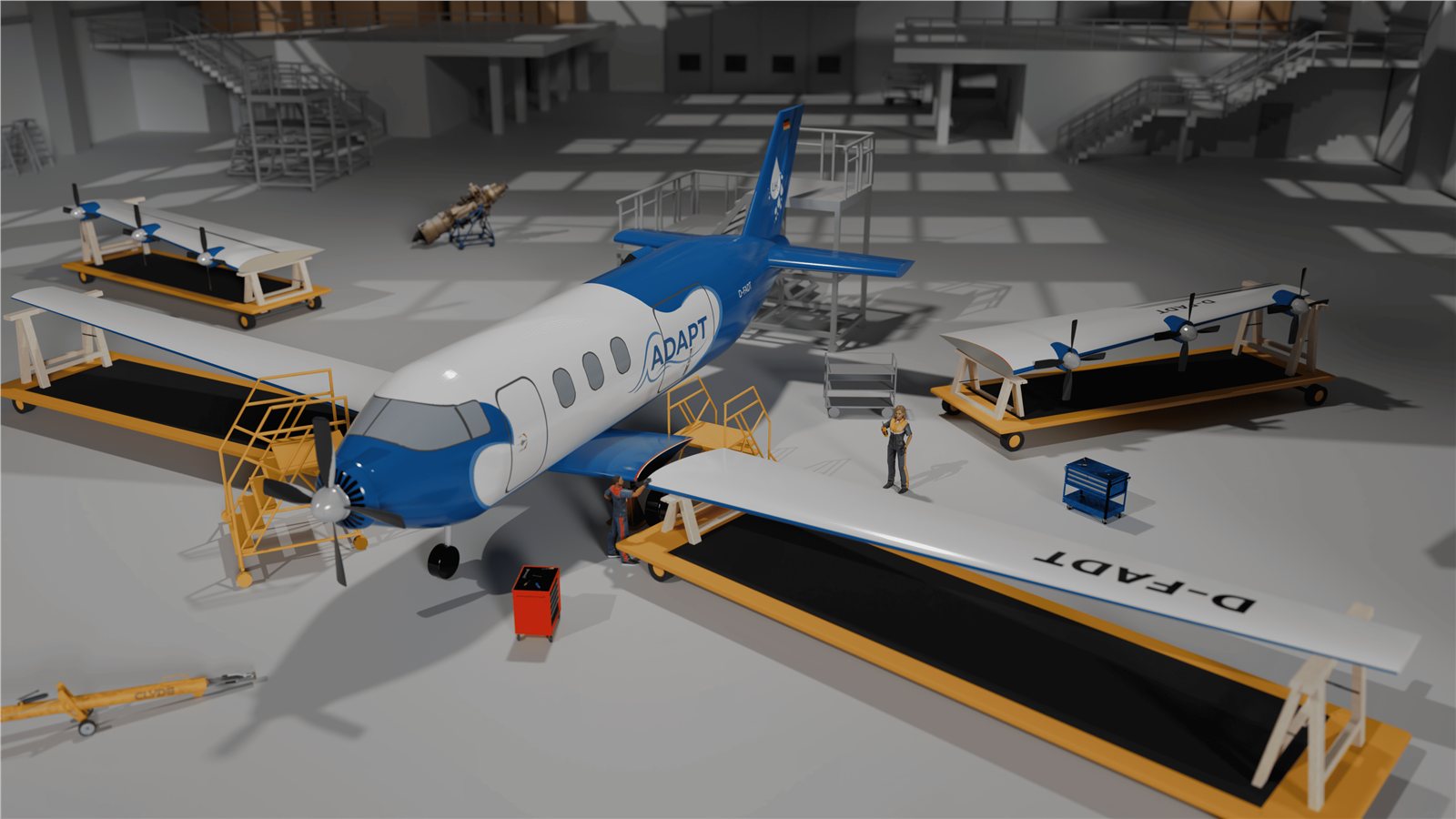
Of course, ‘modular’ also has to work outside Blender.
The interchangeable outer wings connect to a permanent inner wing through a dedicated interface. Moving the joint away from the fuselage reduces the loads at the separation point and keeps the landing gear under the fixed structure.
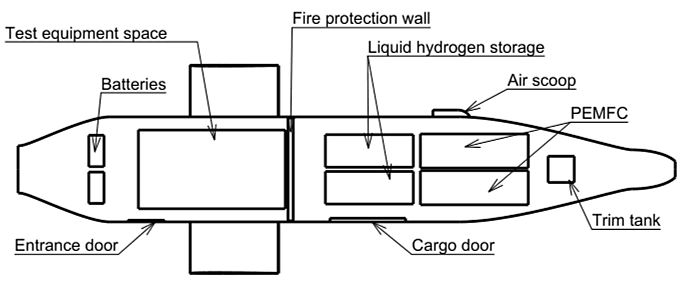
The same idea continues inside the aircraft. The liquid-hydrogen tanks sit on removable racks, while standardized mechanical, electrical, data and fluid interfaces allow tanks and power-generation modules to be exchanged without redesigning the rest of the airframe.
So the modularity is not just part of the system architecture. The aircraft is physically designed around being reconfigured between experiments.
The aircraft was only half the experiment.
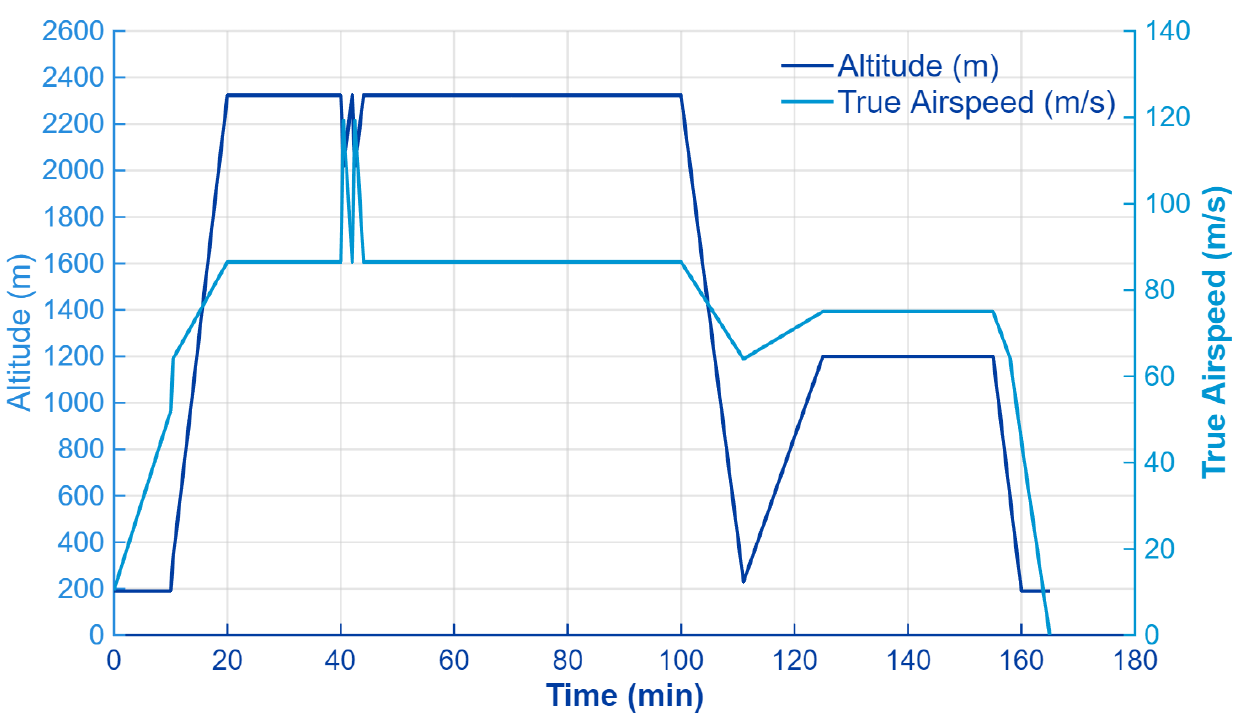
A flying testbed also needs a mission that actually creates the conditions you want to investigate.
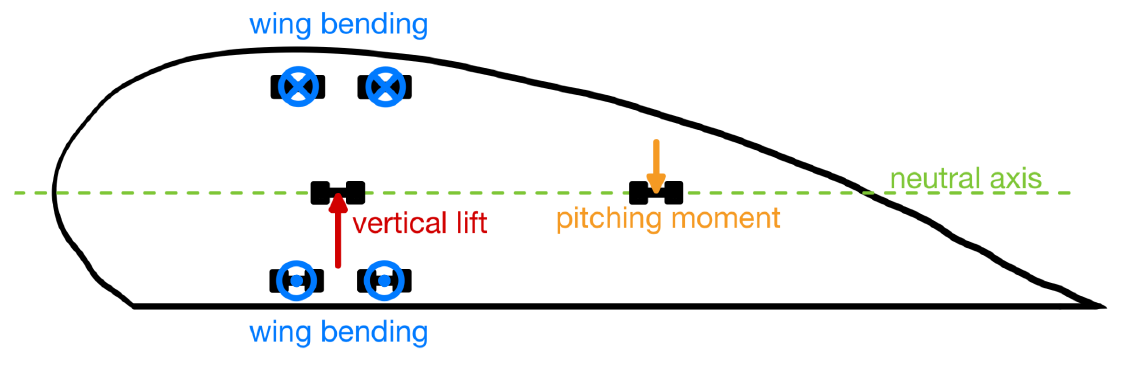
For ADAPT, that meant designing the flight profile around the hydrogen tank. Climb, pitch and yaw maneuvers expose it to different acceleration states, while dedicated pitch-down phases create reduced-gravity conditions and stronger liquid motion.
Later parts of the mission investigate wing behavior and repeat measurements at lower tank levels, where the hydrogen has more freedom to move.
The aircraft provides the platform. The flight itself creates the experiment.
So, what did we end up with?
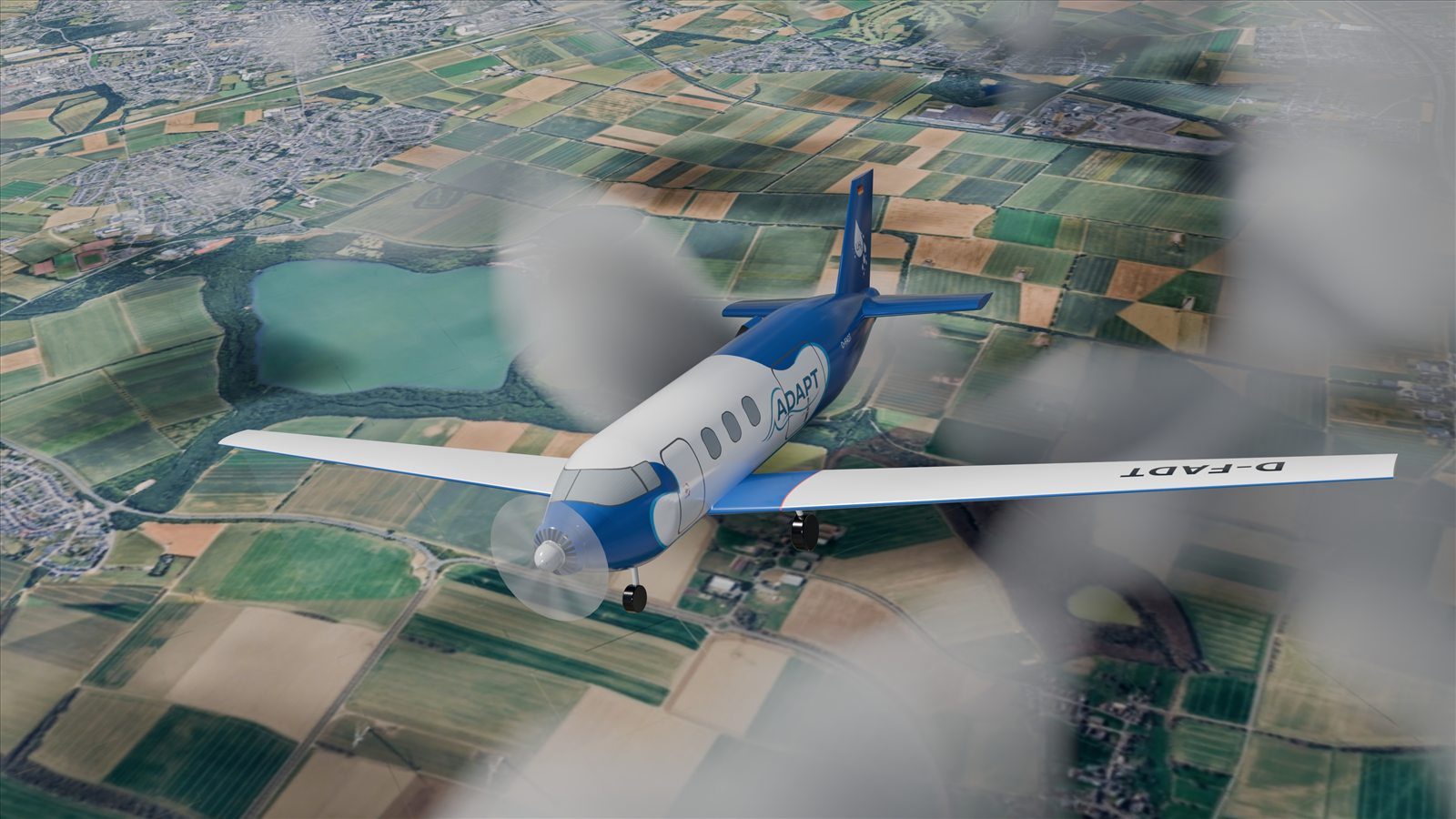
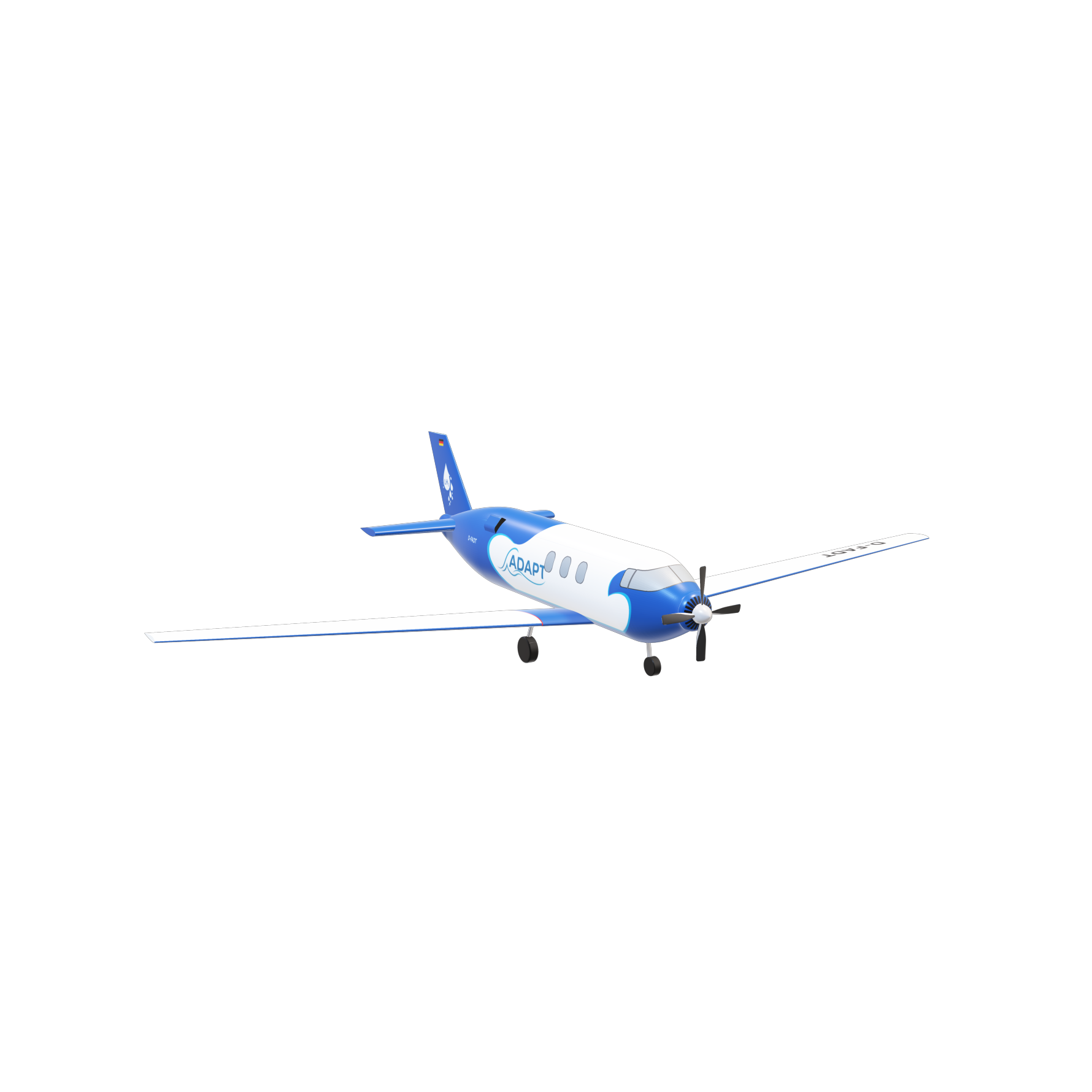
ADAPT ended up as a reusable flight-test platform rather than one aircraft optimized for one mission.
The two final configurations share the same core airframe, hydrogen tank and instrumentation while allowing different wing and power-generation technologies to be tested around them. That makes it possible to vary the conditions of an experiment without starting with an entirely new aircraft every time.
And the concept is intentionally open-ended. Different tank designs, power-generation technologies or wing concepts could later use the same modular architecture.
At this stage, ADAPT is still a conceptual design rather than a build-ready aircraft. But that was also the point of the project: to show how one realistic platform could bridge the gap between individual ground tests and future aircraft-level research.
Toolkit
- Software
- FAST-OAD · OpenVSP · VSPAERO · MATLAB/Simulink · CATIA V5
- Engineering Methods
- Requirements Definition · Configuration Studies · Preliminary Sizing · Mission Analysis · System Architecture · Flight Dynamics Simulation
Media Gallery